September 16, 2026
Plumbing systems work quietly behind walls, beneath floors, and throughout a property, making it easy to overlook developing problems until visible damage appears. A small leak, stubborn drain, or unusual change in water pressure may seem like a minor inconvenience, but plumbing issues can affect flooring, drywall, cabinetry, insulation, appliances, and even structural materials when they are allowed to continue. Moisture can also create conditions that encourage mold growth and reduce indoor comfort.
Because much of a plumbing system is concealed, early warning signs deserve attention. Experienced plumbing contractors can evaluate symptoms, identify their source, and determine whether repairs are needed before the problem spreads. Recognizing common plumbing concerns and understanding the potential consequences can help property owners respond appropriately and reduce the likelihood of extensive water damage.
Watch for Leaking Pipes
A leaking pipe can cause significant damage even when the amount of escaping water initially appears small. Pipes may develop leaks because of corrosion, deteriorated connections, damaged seals, excessive pressure, or normal wear. When the affected section is hidden behind a wall or beneath a floor, water can continue spreading before a property owner realizes that anything is wrong.
Signs of a concealed leak may include discoloration on walls or ceilings, peeling paint, warped materials, damp odors, or unexpected moisture. Some leaks may also be associated with unexplained changes in water usage. The location of the pipe and the materials surrounding it can influence how quickly the resulting damage becomes noticeable.
Moisture from leaking pipes can soak into drywall, wood, insulation, and other porous building materials. Over time, these materials may stain, swell, weaken, or deteriorate. Professional plumbing contractors can investigate suspicious moisture and determine whether a plumbing leak is contributing to the problem. Addressing the source promptly can help prevent water from continuing to affect surrounding areas.
Watch for Clogged Drains
Slow or clogged drains are common plumbing concerns, but persistent blockages should not be dismissed. A drain may become restricted by accumulated debris, grease, soap residue, hair, mineral deposits, or other materials. In some situations, repeated drainage problems may indicate an issue deeper within the plumbing system rather than a simple obstruction near a fixture.
When wastewater cannot move freely through a drain line, it may begin backing up into sinks, tubs, showers, or other fixtures. Overflowing water can damage nearby flooring, baseboards, cabinets, and walls. Wastewater backups can create additional sanitation concerns because the water may contain contaminants that require appropriate cleanup.
Watch for Damaged Sewer Lines
A damaged sewer line can create problems throughout a property because it affects the system responsible for carrying wastewater away from the building. Sewer lines may become compromised by deterioration, shifting soil, intrusive roots, blockages, or damaged connections. Because these lines are generally underground, the source of the problem may not be immediately visible.
Possible warning signs include recurring drain backups, unusual odors, slow drainage across multiple fixtures, or changes in areas surrounding the property. Problems affecting several drains at the same time can be particularly concerning because they may indicate that the issue extends beyond an individual fixture or branch line.
Sewer problems can become expensive when wastewater backs up into the building or escapes into areas where it can affect soil and building materials. Contaminated water may require specialized cleanup in addition to plumbing repairs. According to FieldCamp, more than 500,000 plumbers, pipefitters, and steamfitters are employed across the country, reflecting the substantial workforce involved in installing, maintaining, and repairing piping systems. When sewer-related symptoms appear, plumbing contractors can help determine the location and nature of the problem before additional damage occurs.
Watch for Failing Water Heaters
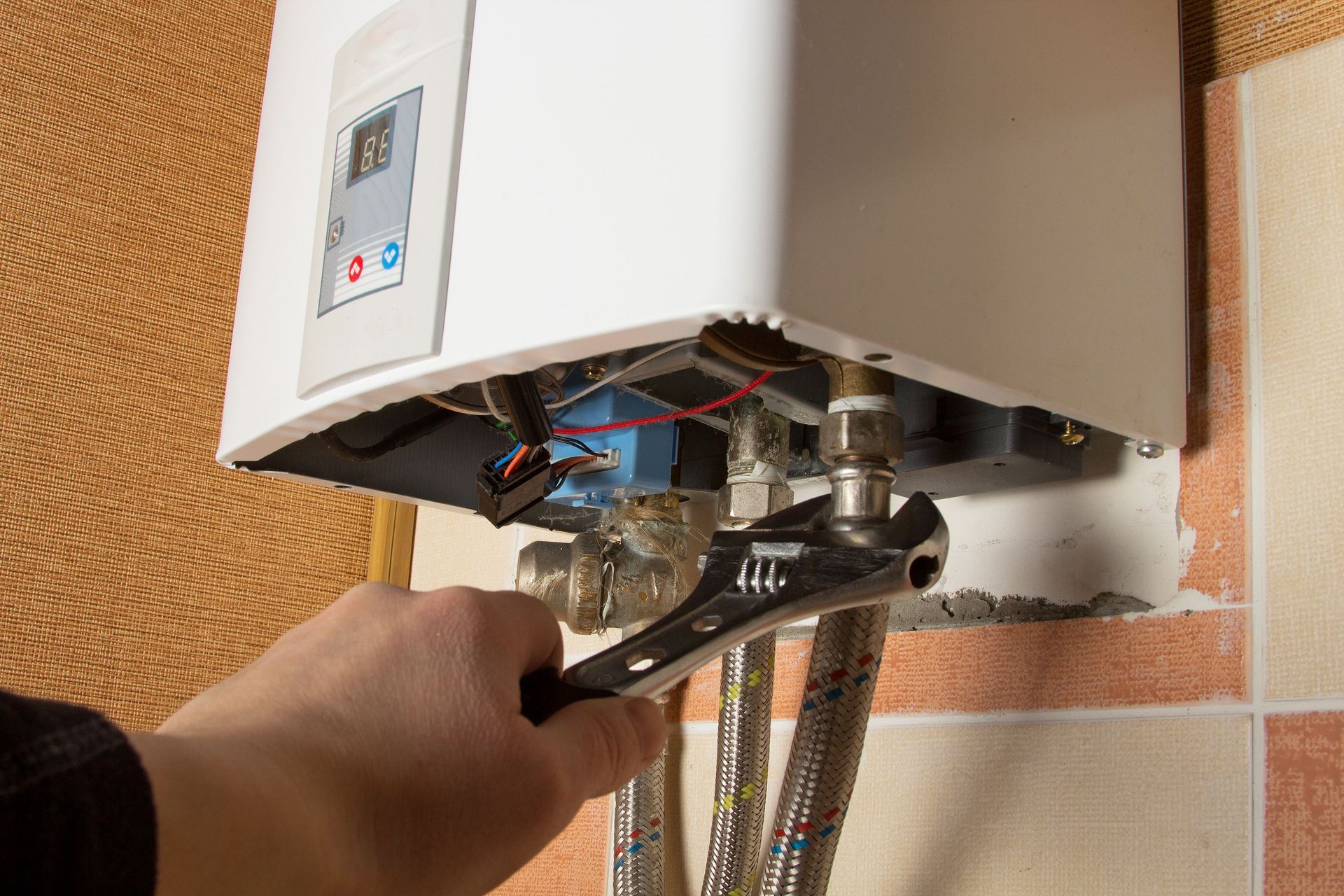
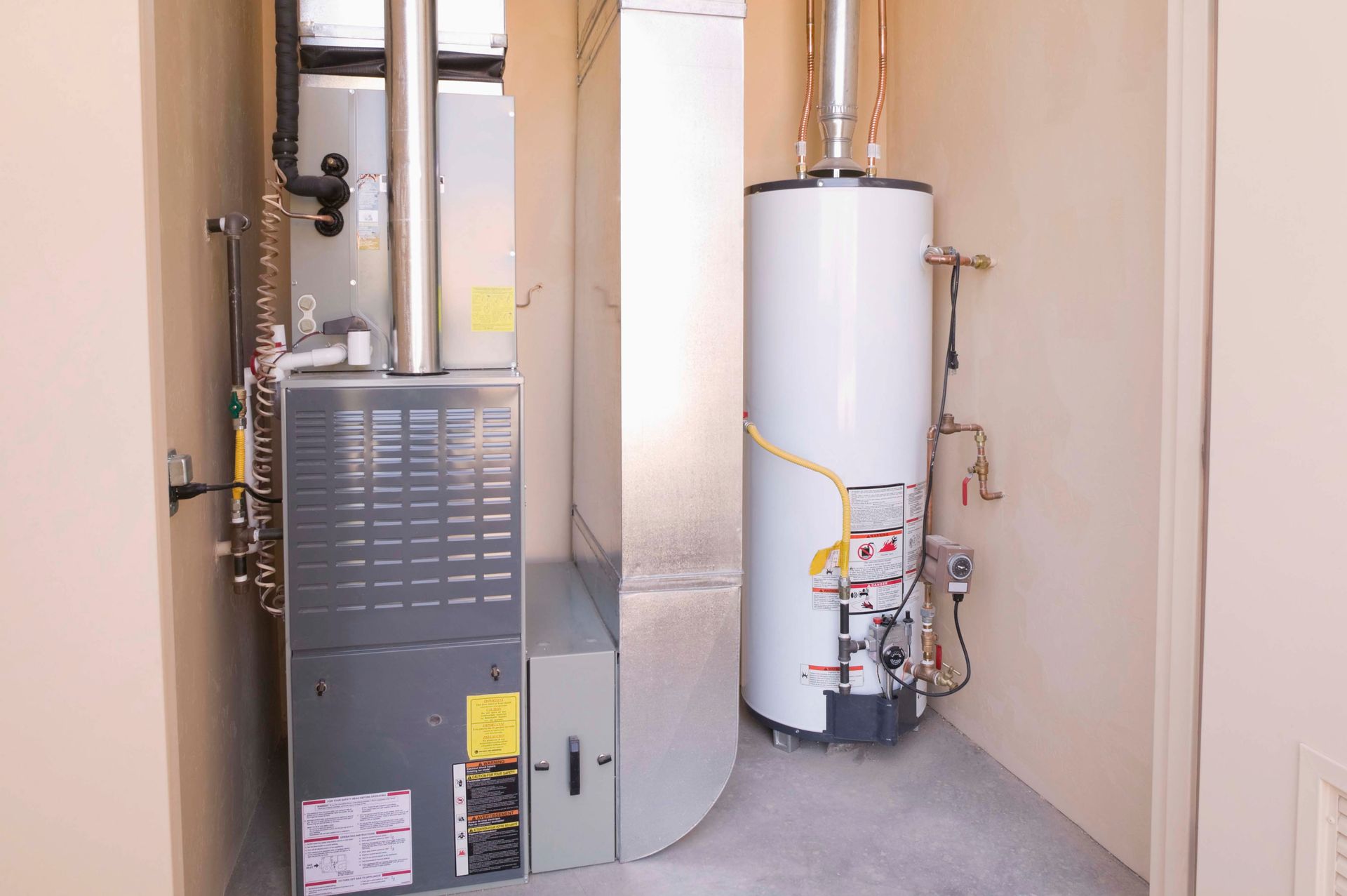
A water heater contains and distributes water throughout a property, so a failure involving the tank, valves, fittings, or connected pipes can release substantial moisture into the surrounding area. Some problems develop gradually, while others can cause water to escape unexpectedly. The potential for damage may be greater when the appliance is located near finished walls, flooring, storage areas, or other vulnerable materials.
Warning signs can include moisture around the unit, corrosion, unusual noises, inconsistent water temperature, or visible deterioration around connections. Even a small amount of water collecting near the appliance should be taken seriously because the source may worsen over time.
Watch for Excessive Water Pressure
Strong water pressure may seem beneficial, but pressure that is too high can place unnecessary strain on pipes, fixtures, valves, appliance connections, and seals. Plumbing components are designed to operate within appropriate conditions, and excessive pressure can accelerate wear throughout the system.
The effects may not always be obvious at first. Property owners might notice banging pipes, dripping fixtures, unusual plumbing noises, or recurring problems with connections and valves. Over time, continued stress can contribute to leaks or failures in vulnerable components. A weakened supply line or connection can eventually release enough water to damage surrounding materials.
Because pressure affects multiple parts of a plumbing system, repeatedly repairing individual symptoms may not resolve the underlying issue. Plumbing contractors can assess system conditions and determine whether water pressure is contributing to recurring leaks or premature component wear. Identifying the broader cause can help protect plumbing fixtures and connected appliances while reducing the risk of an unexpected water release.
Watch for Overflowing Fixtures
An overflowing toilet, sink, bathtub, or other fixture can quickly spread water beyond the area designed to contain it. The cause may involve a blockage, drainage problem, malfunctioning component, or another plumbing issue that prevents water from flowing normally. Even when an overflow stops quickly, moisture may already have reached vulnerable materials.
Bathrooms and kitchens often contain water-resistant surfaces, but the surrounding construction is not necessarily protected from prolonged exposure. Water can travel beneath flooring, behind baseboards, into cabinetry, and through openings around fixtures. If an overflow occurs on an upper level, moisture may also reach ceilings and walls below.
Watch for Frozen or Damaged Pipes
Pipes can be damaged by environmental conditions, movement, corrosion, impact, or deterioration. In colder conditions, water inside inadequately protected pipes may freeze and expand, placing considerable pressure on the pipe walls and fittings. Damage may not become obvious until conditions change and water begins flowing through the affected section again.
A compromised pipe can release water rapidly or develop a smaller leak that remains concealed. Either situation can create substantial property damage when the affected plumbing is located inside walls, ceilings, crawl spaces, or other difficult-to-see areas. Water can spread well beyond the immediate location of the damaged pipe before visible staining or pooling develops.
Protect Against Costly Plumbing Damage
Many expensive plumbing emergencies begin with relatively subtle symptoms. A slow drain, small stain, unusual noise, recurring drip, or unexplained damp area may be the first visible indication of a larger issue. Ignoring these warning signs can allow water to reach building materials that are much more expensive to repair or replace than the original plumbing component.
Regular awareness is an important part of protecting a property. Paying attention to changes in drainage, water pressure, fixture performance, visible moisture, and plumbing-related odors can make it easier to recognize when professional evaluation may be necessary. Plumbing contractors have the training and equipment needed to assess plumbing systems without relying solely on visible symptoms.
Early professional attention can also help clarify whether a problem is isolated or connected to a broader system issue. Identifying the actual source of moisture or drainage trouble helps property owners make informed repair decisions and reduce the possibility of recurring damage.
Plumbing problems can become increasingly disruptive when they are left unresolved. Professional evaluation can help identify leaks, drainage concerns, damaged pipes, fixture problems, and other conditions before they contribute to more extensive property damage.
At Armor Plumbing, LLC, we are ready to help address plumbing concerns and keep your system functioning properly. Contact us to discuss the plumbing issues affecting your property and learn how our services can help protect your home or business from avoidable water damage.