May 13, 2026
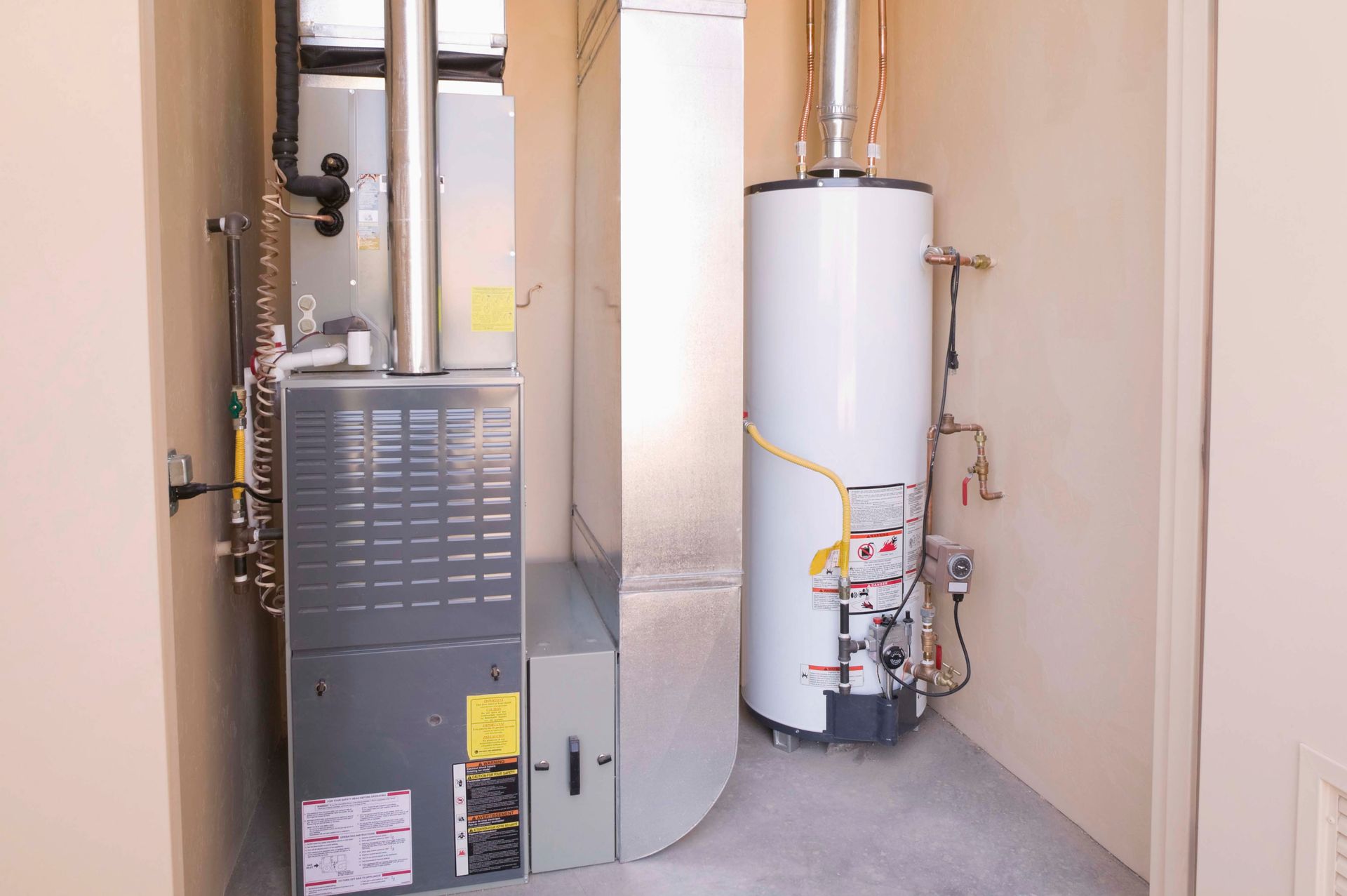
Your daily routine relies heavily on the quiet operation of appliances tucked away in utility rooms. The system responsible for providing warm water for your morning showers stands out as fundamentally important. Most homeowners rarely give this appliance a passing thought until they discover a flooded floor. Anticipating a failure before it happens can save you from immense frustration and sudden disruptions. While many fixtures give warning signs before they break down, recognizing these signals requires a bit of vigilance. Ignoring the subtle hints of deterioration usually leads to emergencies that disrupt your life. Homeowners often wonder when the right time is to upgrade their equipment rather than scheduling another temporary fix. There are distinct indicators that clearly signal the end of an appliance's functional life. By staying observant, you can avoid unexpected breakdowns and maintain the comfort of your living space. Knowing when to call professional plumbing companies to evaluate your situation is a vital part of responsible homeownership.
Observing the Age of the Appliance
Every mechanical system in your residence has a finite operational lifespan, and the unit responsible for heating your water is no exception. Over years of continuous operation, internal components are subjected to constant stress and fluctuating temperatures. Even if you have been diligent with routine maintenance, the fundamental materials will eventually succumb to wear and tear. You can typically locate a manufacturer sticker on the tank indicating the date of production, giving you a timeline of how long it has been in service. When your system approaches the end of its expected life cycle, it becomes increasingly susceptible to sudden failure. While some units might continue to function past their anticipated expiration, relying on borrowed time often leads to inconvenient breakdowns. Trustworthy plumbing companies often advise homeowners to begin considering replacement options well before an aging system completely shuts down.
Noticing Odd Noises from the Tank
A properly functioning utility room should operate with a gentle hum rather than sounding like a construction site. If you begin to hear strange rumbling, popping, or banging noises emanating from your tank, it is a strong indicator that something is fundamentally wrong. These disruptive sounds are almost always the result of heavy sediment building up along the bottom of the reservoir. As the heating element attempts to warm the water, it must penetrate this thick layer of accumulated debris. This process causes trapped water beneath the sediment to boil rapidly, creating bubbles that bang against the metal walls. This constant bubbling causes extreme stress on the structural integrity of the tank itself. Continuous overheating leads to metal fatigue, which weakens the entire system. Ignoring these warnings will inevitably lead to a catastrophic rupture and significant property damage. When these sounds become a regular occurrence, reputable plumbing companies will typically suggest replacing the entire unit to protect your home.
Experiencing a Lack of Hot Water
One of the most obvious signs that your system is failing is a noticeable decline in its ability to produce or maintain warm temperatures. You might find yourself turning the shower dial higher just to achieve a comfortable temperature, or you may notice that the warm water runs out halfway through your morning routine. This lack of performance usually indicates that the internal heating elements are failing or that sediment buildup has significantly reduced the capacity of the reservoir. As the efficiency of the unit plummets, it must work much harder to achieve the desired temperature settings. According to This Old House, 14% to 18% of the energy consumed in your residence is attributed to your water heater. When the system is struggling, it drains resources without delivering the comfort you expect. Instead of settling for lukewarm baths, recognizing this decline in performance is crucial. Professional plumbing companies understand that a persistent lack of reliable temperature control is a definitive sign that a fresh installation is necessary.
Spotting Rust Around the Connections
Water and metal are natural enemies, and despite the protective linings applied during manufacturing, corrosion will eventually win the battle. If you notice a reddish, rusty tint when you turn on the hot tap at your sink, it is a severe warning sign that the interior of your tank is deteriorating. Because this discoloration only happens with the hot tap, it isolates the issue directly to the heating appliance. You should also visually inspect the exterior of the tank, paying close attention to the inlet and outlet connections, as well as the relief valve. Any visible rust forming on the outside means the structural integrity of the metal is compromised. Rust is an insidious disease for metal appliances; once it takes hold, it cannot be reversed. It simply spreads until the metal gives way entirely. This level of deterioration creates a weak point that will burst. Experienced plumbing companies recognize that the presence of rust necessitates an immediate replacement to avert a household disaster.
Finding Puddles Near the Base
Discovering standing water pooling around the bottom of your utility equipment is perhaps the most urgent sign of an impending failure. As the metal tank continuously expands when heated and contracts when cooled, microscopic fractures begin to form in the structure over the years. Eventually, these fractures grow large enough to allow moisture to seep through, creating mysterious puddles on your floor. While a leak might occasionally stem from a loose fitting, a leak originating from the tank itself is a terminal diagnosis for the appliance. There is absolutely no way to permanently patch, seal, or repair a fractured tank. The inner lining has been compromised, and the external shell is no longer capable of containing the pressure of the municipal supply. Trying to mitigate a tank leak with temporary sealants is a futile effort that only delays an inevitable flood. If you spot unexplained moisture, it is time to take decisive action. Local plumbing companies routinely deal with these catastrophic failures and recommend an immediate upgrade.
Requiring Frequent Professional Repairs
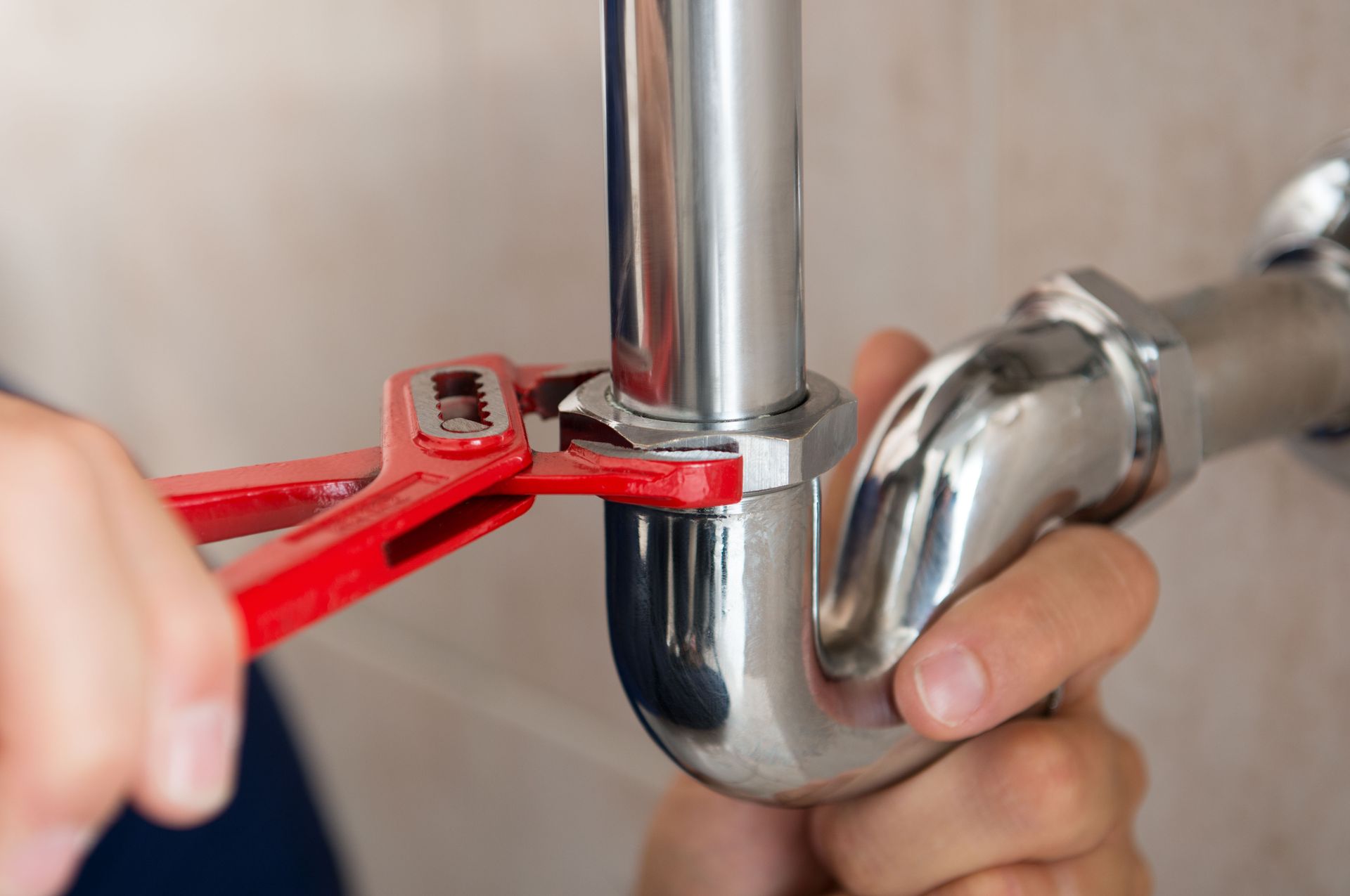
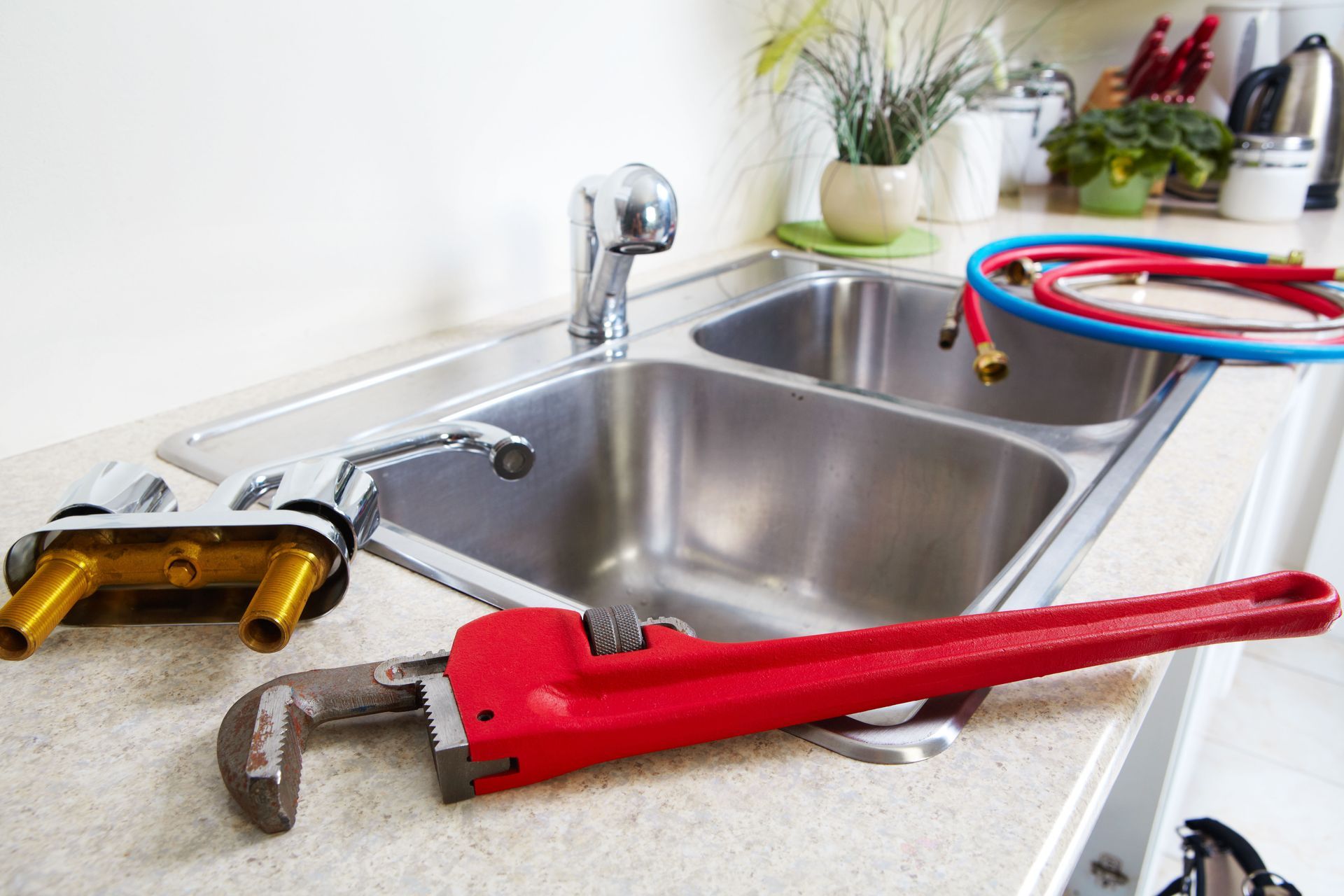
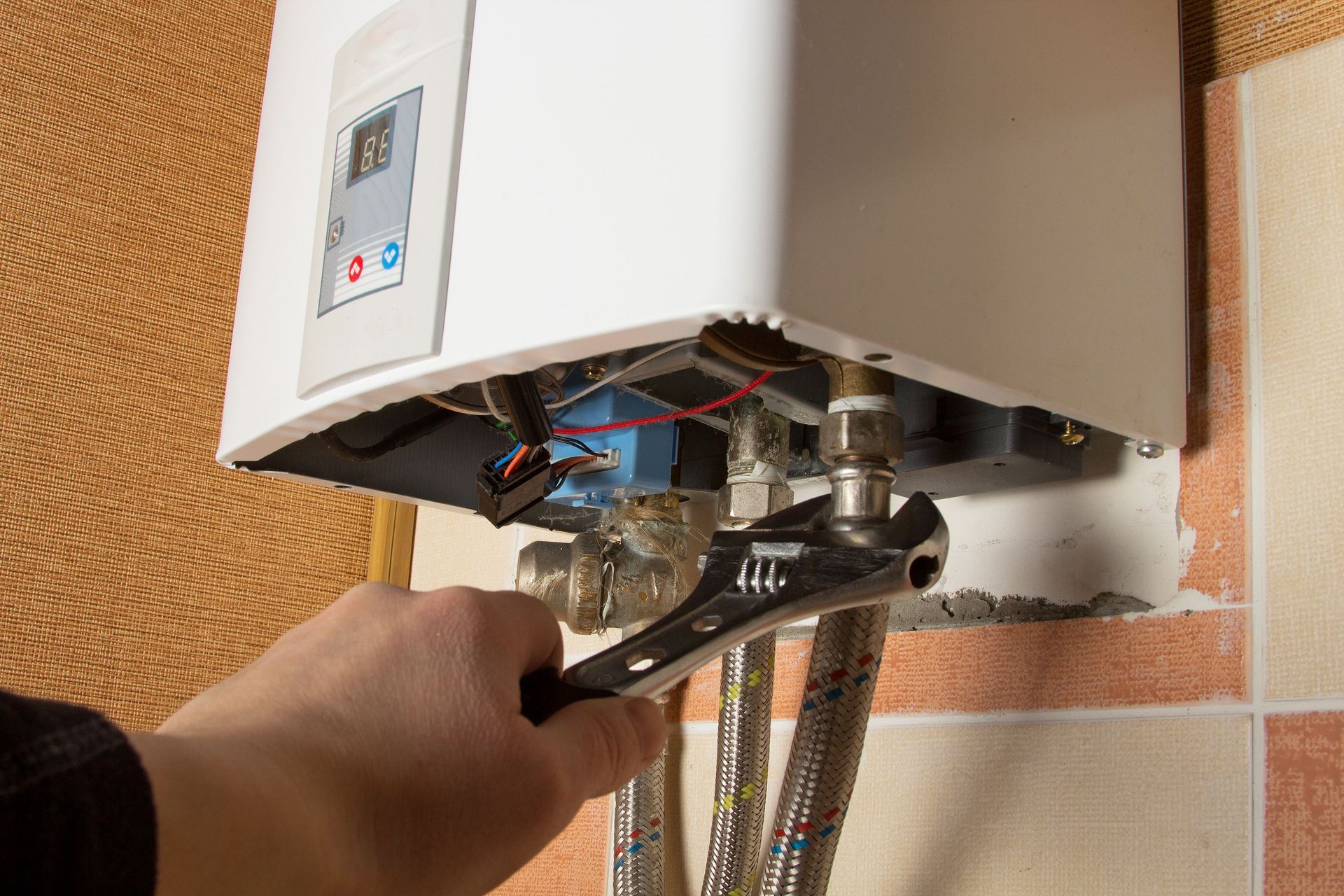
While occasional maintenance is standard for any mechanical system, an appliance that constantly requires professional intervention is signaling its demise. When you continually schedule service appointments to swap out heating elements or address minor component failures, the situation becomes an exercise in frustration. Every time a technician has to open the unit to fix a broken part, you are applying a temporary bandage to a systemic problem. The parts within the system are designed to wear out at roughly the same rate. When one major component fails, it is a virtual certainty that other crucial parts are ready to break down. The inconvenience of overseeing another repair job is not worth the hassle when the equipment is on its last legs. You must weigh the frustration of endless tinkering against the relief of having a reliable system installed. Most plumbing companies will advise you when an appliance becomes a chronic liability.
Maintaining a comfortable living environment requires proactive attention to the systems that run quietly behind the scenes. Recognizing the telltale signs of deterioration empowers you to make informed decisions before a minor inconvenience transforms into a major household emergency. Upgrading your equipment restores the reliable flow of warm water and enhances the efficiency of your daily routines, providing invaluable peace of mind. You do not have to wait for a catastrophic failure to enjoy the benefits of a modern appliance. If you are ready to upgrade your failing system and restore comfort to your home, contact us at Armor Plumbing, LLC today. We will help you navigate the replacement process seamlessly.